Finding the right team for your construction or renovation work makes all the difference. A skilled contractor brings expertise and knowledge to ensure your vision becomes reality. They handle licensing, insurance, and building codes so you don’t have to worry.
Eagle Media Marketing connects clients with qualified experts for any project need. Located at 201 Carter Street in Winnsboro, Louisiana, 71295, they provide comprehensive resources. Call 318-439-7241 for consultations and contractor matching services.
This guide helps you find top-rated professionals who deliver exceptional results. You’ll learn how to vet candidates and work within budget and timeline constraints. The right partnership ensures quality outcomes for residential or commercial projects.
Key Takeaways
- Choosing qualified contractors is essential for project success
- Proper licensing and insurance protect your investment
- Expert knowledge ensures compliance with building codes
- Eagle Media Marketing provides contractor connections and resources
- Thorough vetting leads to better results within budget
- Clear communication maintains project timelines
- Quality workmanship meets both residential and commercial needs
Introduction to Finding Quality Contracting Services
Securing the ideal contracting partner transforms project outcomes from adequate to exceptional. The right team brings expertise that elevates every aspect of your project. They understand local regulations and maintain proper credentials.
Why Choosing the Right Contractor Matters
Selection decisions directly influence project success. A qualified contractor ensures timelines stay on track and budgets remain controlled. They deliver craftsmanship that meets expectations.
Poor choices often lead to cost overruns and scheduling delays. Substandard workmanship can create legal complications. These issues compromise the entire investment.
Mixed-use development projects particularly benefit from expert partnerships. The right team provides exceptional management and commitment to excellence. This approach transforms complex projects into success stories.
About Eagle Media Marketing’s Contractor Resources
Eagle Media Marketing maintains a network of vetted specialists. These experts have proven track records across construction and renovation fields. The company implements thorough screening processes.
Their resources include quality assurance protocols and ongoing oversight. This ensures client satisfaction throughout project lifecycles. They match clients with appropriate specialists based on specific needs.
Quality contracting services require proper licensing and insurance coverage. Experience with similar projects and strong communication skills are essential. Eagle Media Marketing verifies all these elements.
Clients can call 318-439-7241 for personalized recommendations. The team provides connections to qualified experts for any project scope. This service helps clients find the perfect match for their requirements.
Understanding Different Types of Professional Contractors
Every construction project has unique needs that require specific expertise. Knowing which type of specialist to hire ensures your project runs smoothly from start to finish. The right match prevents delays and keeps budgets under control.
General Contractors vs. Specialty Contractors
A general contractor manages the entire project. They coordinate timelines, budgets, and multiple trades. This approach ensures quality control across all phases.
Specialty contractors focus on specific trades. They handle electrical, plumbing, or HVAC systems. These experts bring deep knowledge to their particular field.
| Role | Responsibilities | Best For |
|---|---|---|
| General Contractor | Overall project management, subcontractor coordination, timeline oversight | Complex projects requiring multiple trades |
| Specialty Contractor | Specific trade expertise, specialized installations, code compliance | Single trade projects or specific system installations |
Residential vs. Commercial Contracting Services
Residential specialists work on homes and personal properties. They handle renovations, additions, and repairs. These projects often involve working directly with homeowners.
Commercial experts focus on business properties. They manage office buildings, retail spaces, and industrial facilities. These projects follow different codes and regulations.
The choice between residential and commercial services depends on your property type. Each requires different skills and knowledge. Always verify experience with your specific project type.
Essential Qualifications for Professional Contractors
Proper credentials separate exceptional builders from unreliable workers. Verifying qualifications protects your investment and ensures project success. This process involves checking several critical areas before hiring.
Licensing and Insurance Requirements
State and local licensing proves legal authority to perform construction work. These requirements vary by location but always validate competency. Always verify licenses with local licensing boards.
Insurance coverage must include two essential types. Liability insurance protects against property damage during projects. Workers’ compensation covers on-site injuries for all workers.
Proper licensing is non-negotiable for any construction specialist
Experience and Specialization Areas
Experience with similar projects prevents common construction challenges. Specialists familiar with specific project types anticipate potential issues. This knowledge saves time and money during construction.
Specialization areas show focused expertise in particular fields. These might include kitchen remodels or bathroom renovations. Some experts focus on structural work or specific architectural styles.
| Verification Method | What to Check | Why It Matters |
|---|---|---|
| License Verification | Current status with local licensing board | Ensures legal compliance and competency |
| Insurance Validation | Liability and workers’ compensation coverage | Protects against property damage and injuries |
| Experience Review | Similar project types and sizes | Indicates ability to handle specific challenges |
| Specialization Check | Focus areas and material expertise | Shows depth of knowledge in specific areas |
Industry Certifications and Training
Certifications from organizations like NAHB demonstrate commitment to standards. NARI certifications show dedication to remodeling excellence. These credentials indicate ongoing education and quality focus.
Continuous training ensures knowledge of current building codes. Specialists learn about new materials and advanced techniques. This education maintains high industry standards across all projects.
Verification should include checking with consumer protection agencies. The Better Business Bureau provides complaint history information. This research reveals any past disciplinary actions.
Thorough qualification checks ensure you hire truly capable specialists. This process protects your investment and guarantees better results. Quality construction begins with properly vetted experts.
How to Research and Identify Potential Contractors
Effective contractor research begins with multiple verification methods. This process helps homeowners find reliable specialists who deliver quality results. Comprehensive investigation prevents costly mistakes and ensures project success.

Smart homeowners use various sources to build a complete picture. They gather information from personal contacts and professional organizations. This multi-source approach provides balanced perspectives on each candidate.
Personal Recommendations and Referrals
Trusted friends and family offer valuable insights from actual experiences. They share firsthand knowledge about work quality and reliability. These personal accounts often reveal details that formal reviews might miss.
Previous clients can provide documented references with contact information. They may allow visits to completed projects for visual verification. This hands-on evaluation shows craftsmanship and attention to detail.
Local building inspectors and lumberyard staff often know quality specialists. They observe which builders use proper materials and techniques. Their recommendations come from daily professional interactions.
Professional Association Resources
Organizations like NARI and NAHB maintain vetted member directories. These groups require proper licensing and insurance for membership. Their screening processes help identify qualified experts.
Association members typically adhere to higher industry standards. They participate in ongoing training and education programs. This commitment often translates to better project outcomes.
These professional networks provide access to specialists with proven track records. Members must maintain certain quality levels to remain listed. This external validation adds credibility to any hiring decision.
Online Reviews and Portfolio Evaluation
Platforms like Google and Yelp offer broad perspectives across multiple projects. They show patterns in customer satisfaction and common issues. These reviews help identify consistent strengths and weaknesses.
Specialized contractor rating sites provide industry-specific evaluation criteria. They often include detailed feedback about timelines and budget management. This specialized information complements general review platforms.
Portfolio examination reveals experience with similar project types. Photos show craftsmanship quality and design capabilities. This visual evidence supports written reviews and recommendations.
Comprehensive research creates a balanced view of each candidate’s abilities. It combines personal experiences with professional validations. This thorough approach leads to better hiring decisions.
The Contractor Interview and Selection Process
Meeting potential specialists face-to-face reveals their true capabilities beyond paperwork and reviews. This critical phase helps homeowners assess both technical skills and personal compatibility. The right match ensures smooth collaboration throughout the project duration.
Key Questions to Ask Potential Contractors
Prepare a list of essential questions before meeting candidates. These inquiries should cover project capacity and financial stability. Ask about their experience with projects of your size and complexity.
Important questions ask about reference availability and current workload. Inquire how many projects they handle simultaneously. Determine their relationships with subcontractors and how long they’ve worked together.
Financial references and client lists provide validation of their business practices. These details help assess reliability and professional standing. Thorough questioning reveals potential red flags early in the process.
Evaluating Communication and Professionalism
Assess responsiveness during initial contacts and meeting arrangements. Notice their clarity in explaining processes and answering your questions. Good listeners who address concerns demonstrate strong communication skills.
Professionalism shows through punctuality and preparation for appointments. Respectful interaction and transparent discussion of limitations indicate integrity. These qualities often predict how they’ll handle project challenges.
Watch for warning signs like pressure for immediate decisions. Reluctance to provide documentation or obtain permits signals potential problems. Unusually low bids may indicate inexperience or corner-cutting.
| Evaluation Area | What to Look For | Why It Matters |
|---|---|---|
| Communication | Prompt responses, clear explanations, active listening | Ensures smooth information flow throughout project |
| Professionalism | Punctuality, preparation, respectful demeanor | Indicates reliability and business integrity |
| Transparency | Open discussion of processes and limitations | Builds trust and manages expectations |
| Documentation | Willingness to provide references and paperwork | Shows organizational skills and nothing to hide |
Checking References and Past Work Quality
Contact multiple previous clients to verify work quality and reliability. Ask about adherence to timelines and budgets. Inquire about problem-solving abilities during unexpected challenges.
Request to visit completed projects when possible. Viewing work firsthand reveals craftsmanship and attention to detail. Examine material quality and finishing touches that photos might miss.
These verification steps confirm their ability to deliver satisfactory results. Past performance often predicts future outcomes. Thorough reference checking prevents disappointing experiences.
The selection process balances technical competence with personal compatibility. Both factors contribute to successful project partnerships. Choose specialists who demonstrate both skill and cooperative spirit.
Understanding Project Bids and Cost Estimates
Getting clear bids helps homeowners make smart choices about their projects. Good estimates show exactly where money goes. They help compare different specialists fairly.
Transparent pricing builds trust between clients and builders. It prevents surprises during construction. Everyone stays on the same page about expenses.
Breaking Down Contractor Pricing Structures
Most project cost splits into four main parts. Materials usually take about 40% of the total. Labor, overhead, and profit make up the rest.
Overhead covers business expenses like insurance and licenses. Profit margins typically range from 15-20%. These percentages ensure quality work and reliable service.
Good bids include detailed line items for each category. They specify material types and quality levels. Labor hours and rates should appear clearly.
Materials, Labor, and Overhead Costs
Material costs change based on quality and availability. Premium brands cost more but often last longer. Specific project needs affect final material prices.
Labor expenses depend on crew size and experience. Complex projects need specialized skills that cost more. Local market rates influence these charges too.
Overhead includes equipment maintenance and administrative work. These necessary expenses keep businesses running properly. They ensure proper licensing and insurance coverage.
| Cost Category | Typical Percentage | What It Includes |
|---|---|---|
| Materials | 40% | Building supplies, fixtures, finishes |
| Labor | 30-35% | Crew wages, specialized skills, project duration |
| Overhead | 10-15% | Insurance, licenses, equipment, administrative costs |
| Profit Margin | 15-20% | Business profit, contingency funds |
Identifying Red Flags in Contractor Bids
Watch for bids much lower than others. These often signal corner-cutting or desperation. They might use cheaper materials or skip important steps.
Vague estimates without details raise concerns. Good bids specify material types and labor hours. They include permit fees and contingency amounts.
Pressure for large upfront payment suggests financial problems. Reliable builders use staged payment schedules. They only ask for reasonable deposits.
Reluctance to provide written estimates is another warning sign. Quality specialists document everything clearly. They want clients to understand all charges.
Transparent bidding separates quality builders from problematic ones. Detailed estimates show professionalism and honesty.
Good bids help homeowners compare options accurately. They show what’s included and excluded from the price. This clarity prevents misunderstandings later.
Always request multiple bids for comparison. Look for similar levels of detail across estimates. Choose based on value rather than just lowest price.
Contract Negotiation and Legal Considerations
Finalizing agreements requires careful attention to legal details and financial arrangements. Proper documentation protects both homeowners and service providers throughout the project lifecycle. Clear contracts establish expectations and prevent misunderstandings.
Essential Contract Elements and Terms
Comprehensive contracts include several critical components. They outline project scope with detailed specifications and material descriptions. Timeline expectations with specific milestones provide clear progress markers.
Change order procedures define how modifications get handled during construction. Warranty information specifies coverage duration and what it includes. These elements create a complete framework for project execution.
- Detailed project scope description with specifications
- Clear timeline outlining major milestones
- Payment schedule tied to project progress
- Change order process for scope modifications
- Warranty terms and duration information
- Dispute resolution methods for unresolved issues
Payment Schedules and Project Milestones
Structured payment plans align with work completion stages. Initial deposits typically range around 10% of total project cost. Progress payments follow completion of predetermined milestones.
Final payments occur after satisfactory project completion. This approach ensures work quality matches financial commitments. It maintains cash flow for the service provider’s business operations.
Milestone-based payments protect both parties by linking financial transactions to verified progress
| Payment Stage | Typical Percentage | Trigger Condition |
|---|---|---|
| Initial Deposit | 10% | Contract signing |
| First Progress Payment | 25% | Completion of foundation/framing |
| Second Progress Payment | 25% | Rough-in completion |
| Third Progress Payment | 25% | Finishes installation |
| Final Payment | 15% | Project completion and inspection |
Lien Releases and Insurance Verification
Lien releases protect property owners from secondary claims. They confirm subcontractors and suppliers received proper payment. These documents should accompany each progress payment.
Insurance verification requires obtaining certificates directly from providers. This confirms adequate liability coverage and workers’ compensation protection. These requirements ensure proper risk management throughout projects.
Final payments should only occur after receiving all lien releases. This practice prevents potential legal complications later. It represents standard business practice in construction industries.
Managing Your Project Timeline and Expectations
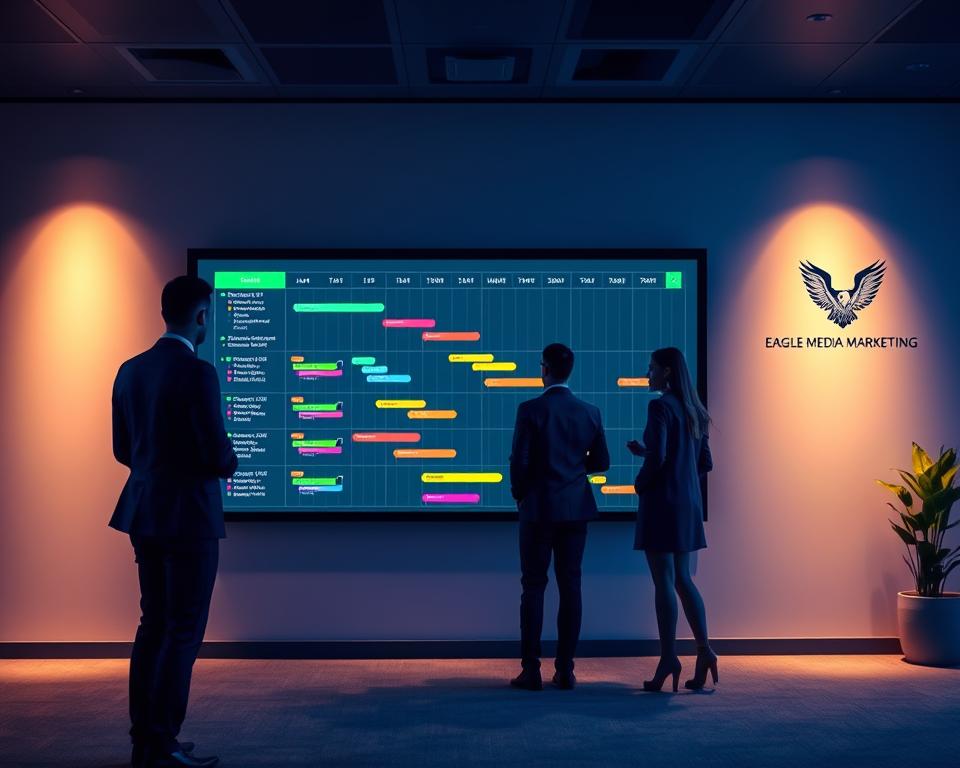
Successful project completion hinges on thoughtful timeline management from day one. Proper planning prevents most common construction frustrations and keeps projects moving smoothly. Homeowners who understand timeline factors achieve better outcomes with less stress.
Setting Realistic Completion Dates
Accurate completion dates consider multiple variables simultaneously. Material availability often determines project start dates. Custom orders may require several weeks for delivery.
Weather conditions significantly impact outdoor construction timeframes. Rain delays and extreme temperatures affect work progress. Seasonal considerations help set practical expectations.
Permit approval processes vary by municipality. Some areas process applications quickly while others take weeks. Local building department timelines influence start dates.
Builder availability affects project scheduling. Quality specialists often book months in advance. Realistic planning accommodates these scheduling realities.
Handling Delays and Schedule Changes
Construction problems occasionally arise despite careful planning. Material shipments get delayed by supply chain issues. Weather events can halt work for multiple days.
Unexpected site conditions may require design adjustments. These discoveries need immediate attention and solution development. Proper contingency planning accommodates such surprises.
Proactive delay management separates exceptional projects from problematic ones. Communication and documentation prevent misunderstandings during schedule changes.
Effective delay handling follows a clear process:
- Immediate notification of the issue
- Explanation of impacts on timeline and budget
- Proposed solutions with revised completion dates
- Written documentation of changes and approvals
Communication Protocols During Projects
Clear communication protocols maintain project momentum. They establish how and when updates occur. These systems keep everyone informed and aligned.
Regular update frequency prevents information gaps. Weekly meetings review progress and address concerns. Daily reports provide quick status checks between formal meetings.
Preferred communication methods should be established early. Some teams use email for formal updates. Others prefer phone calls or in-person discussions.
| Communication Method | Best For | Frequency |
|---|---|---|
| Weekly Meetings | Progress reviews and issue resolution | Every 7 days |
| Daily Reports | Quick status updates and problem alerts | Each workday |
| Emergency Contacts | Urgent issues requiring immediate attention | As needed |
Emergency contact procedures handle urgent situations. They specify who to contact after hours. This prevents delays in addressing critical issues.
Project oversight includes regular site visits and progress verification. Quality checks at completion phases ensure standards get met. Documentation of work completed provides clear records.
Working with Eagle Media Marketing’s Professional Contractors
Partnering with a reliable contractor network ensures your project runs smoothly from start to finish. Eagle Media Marketing connects clients with thoroughly vetted experts who deliver exceptional results. Their screening process guarantees you work with qualified specialists.
Our Network of Vetted Contracting Professionals
Eagle Media Marketing maintains a carefully selected group of independent specialists. Each member undergoes comprehensive background checks and credential verification. This includes license validation and insurance confirmation.
The screening process examines past project quality and client references. Specialists must demonstrate proven expertise in their respective fields. This ensures only the most capable professionals join the network.
Contractors come from various specialties and experience levels. Geographic coverage matches clients with local experts when possible. This approach provides tailored solutions for each unique project need.
Quality Assurance and Project Oversight
Ongoing performance monitoring maintains high standards across all projects. Regular capability assessments ensure contractors stay current with industry practices. Client satisfaction tracking identifies areas for improvement.
Progress monitoring includes milestone verification and quality control checks. Intervention occurs when necessary to keep projects on track. This oversight prevents small issues from becoming major problems.
Continuous quality assurance separates exceptional service providers from average ones. Regular evaluations maintain consistency across all projects.
Client Support and Communication Channels
Dedicated project managers serve as single points of contact for clients. They handle concerns and coordinate between homeowners and specialists. This streamlined approach simplifies the entire process.
Scheduled update meetings keep clients informed about project progress. Online portal access provides real-time information and documentation. Direct contractor communication occurs with proper oversight.
Eagle Media Marketing offers comprehensive support throughout project lifecycles. Their team assists with issue resolution and ensures smooth operations. Clients receive consistent attention from start to finish.
The company operates from 201 Carter Street in Winnsboro, Louisiana, 71295. Clients can reach them at 318-439-7241 for contractor matching services. This support system makes project management straightforward and stress-free.
Conclusion
A successful project begins with the right partner. Careful research and clear communication form the foundation of any great renovation experience.
Asking the right questions and having a detailed contract ensures everyone stays on the same page. This approach leads to better quality work and smoother timelines.
Eagle Media Marketing connects you with experienced specialists who meet high standards. Their team provides ongoing support throughout your project.
Call 318-439-7241 for help finding the perfect match for your needs. Investing time upfront saves stress and ensures results you’ll love.